

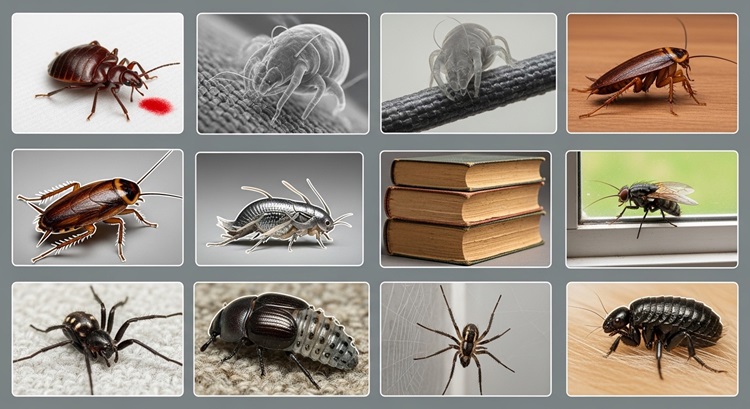
Bedrooms should be a private and calm place for people to rest in. But these rooms can also be safe spaces for some pests. The warm weather, humidity, and seasonal changes in Longview can push many pests indoors. Bedrooms offer them quiet and stable temperatures, which makes them appealing hiding spots.
Pests do not invade bedrooms out of preference for sleep spaces. They follow warmth, carbon dioxide, shelter, and access to nearby food or moisture. That is why Pointe Pest Control technicians always include bedrooms in their inspections and treatments. Below are common pests that may choose bedrooms as their hiding spots:
Bed Bugs
Bed bugs hide close to beds since they feed on people during sleep. They get cover from mattresses, box springs, bed frames, and headboards. Bed bugs may arrive through luggage, guests, or secondhand furniture. They hide in seams, joints, and fabric folds. Bedrooms with clutter or stored items offer the bugs added cover, which helps infestations grow unnoticed.
Cockroaches
Many people associate cockroaches with kitchens, but these pests may also appear in bedrooms. Roaches seek warmth, moisture, and darkness. Their travel route can include bedrooms once they establish a foothold in a home. Their hiding spots can include cracks along baseboards, wall voids, and closet corners. Humidity supports roach survival year-round, which raises the chance of spread into sleeping areas.
Ants
Ants enter bedrooms while searching for food or water. They are drawn to crumbs in kitchens, but they can also take advantage of moisture from bathrooms, plants, or pet bowls kept nearby in the bedroom. Ants travel along baseboards, window frames, and wall edges. Their presence in bedrooms may indicate the presence of entry points or moisture issues close by.
Spiders
Spiders prefer low-traffic areas where insects gather. Bedrooms provide corners, closets, and under-bed spaces that stay undisturbed for long periods. Common house spiders and wolf spiders in Longview can appear indoors when seasons change. Most spiders pose little risk, but their presence can point to the presence of other insects nearby, which serve as their food source.
Fleas
Fleas may reach bedrooms through pets. Dogs and cats carry fleas indoors, and bedding becomes a common resting place. Fleas can take shelter in carpets, rugs, and upholstered furniture. Wildlife such as raccoons or stray animals may also introduce fleas.
Mosquitoes
Mosquitoes rarely live inside homes for a long time, but they invade bedrooms. They can enter through open windows, doors, and gaps. Bedrooms attract mosquitoes due to carbon dioxide released during sleep. Longview’s warm climate supports long mosquito seasons. Indoor sightings often increase during humid nights or after rain.
Silverfish
Silverfish hide in bedrooms due to paper, fabric, and low light. They take advantage of closets, bookshelves, and storage boxes for their food and cover. These pests feed on starches found in paper, glue, and clothing fibers. High humidity supports silverfish survival.
Rodents
Mice and rats do not target bedrooms for people, but they use wall voids and attics that connect to these spaces. Noises at night often come from rodents traveling behind walls. Bedrooms offer quiet conditions that allow rodents to move freely. Closets and under-bed storage may hold nesting materials such as fabric or paper.
Ticks
Ticks rarely infest bedrooms, but they may appear in homes with pets or outdoor exposure. Pets that roam yards or wooded areas can carry ticks inside. Ticks may drop off in bedrooms where pets sleep.
Small clues reveal bedroom pest activity. Bites, droppings, shed skins, or unexplained odors suggest a problem. Scratching sounds or movement at night also point to unwanted guests. Recognizing which pests invade bedrooms in Longview helps homeowners respond faster. Each pest follows specific patterns tied to shelter, moisture, and access. Understanding those patterns reduces surprise and limits long-term disruption.