

When you start preparing a home for sale, the checklist seems endless. Fresh paint, landscaping, updated fixtures, staging. It’s easy to focus on what buyers can see and completely overlook what they can’t. But here’s the thing: the infrastructure buyers and inspectors can’t see is often what tanks a deal or shaves thousands off your asking price. Professional drain cleaning is one of those unsexy, behind-the-scenes tasks that quietly does a lot of heavy lifting when it comes to protecting what your home is worth.
This isn’t about making your pipes sparkle for the sake of it. It’s about understanding how your home’s plumbing and drainage system connects directly to buyer confidence, inspection outcomes, and your final sale price.
What Buyers and Inspectors Are Actually Looking For
Home inspections are thorough. A good inspector isn’t just checking that your outlets work and your roof isn’t caving in. They’re looking at the full picture of how well a home has been maintained. And plumbing tells a story.
Slow drains, gurgling pipes, water stains around floor drains, and evidence of past backups are red flags that buyers notice, even before an inspector writes anything down. Buyers walk through a home and form impressions quickly. A bathroom sink that drains slowly or a basement floor drain that looks like it hasn’t been touched in years plants a seed of doubt. That doubt turns into negotiating leverage.
When a buyer’s inspector finds evidence of drainage issues, partially blocked sewer lines, or buildup that suggests years of deferred maintenance, it gives buyers a reason to ask for a price reduction or demand repairs before closing. In some cases, especially if a camera inspection reveals a more serious underlying issue, it can stall or kill the deal entirely.
Routine drain maintenance before you list removes a lot of that risk from the table.
The Hidden Cost of Skipping Drain Maintenance
Deferred maintenance has a compounding effect on home value. A drain line that’s been partially blocked for years doesn’t stay partially blocked forever. Grease, soap residue, mineral deposits, and organic buildup accumulate over time. What starts as a slow drain eventually becomes a full blockage. A full blockage can create pressure that damages pipe joints or forces water back into the home.
By the time you’re listing the property, you may be dealing with more than just a drain cleaning job. You could be looking at pipe repairs, water damage remediation, or sewer line work that runs well into the thousands.
The cost of professional drain cleaning is a fraction of what those repairs cost, and it’s a fraction of what a price reduction during negotiations will cost you.
Think of it this way: a buyer who sees a well-maintained home with clean, functional plumbing doesn’t have a reason to negotiate down on that basis. A buyer who sees evidence of neglect absolutely does.
How Camera Inspections Add Even More Confidence
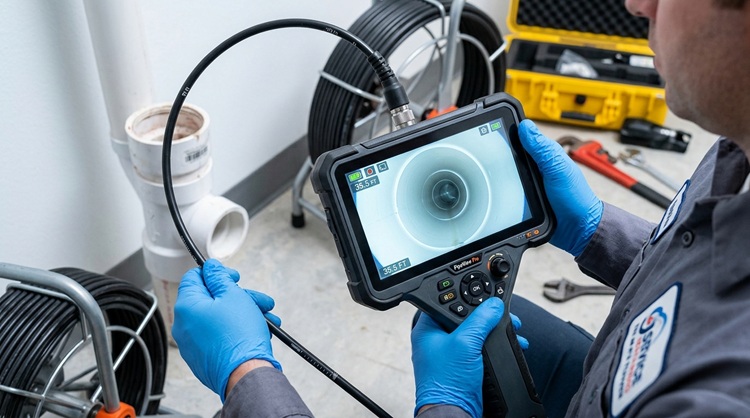
One of the most valuable tools in modern drain and sewer service is the camera inspection. Running a video camera through your sewer and drain lines gives you a real-time look at the condition of your pipes before an inspector or buyer ever sets foot in the door.
This matters for a few reasons.
First, you find out about problems on your timeline, not during a buyer’s inspection contingency period. If there’s a root intrusion, a cracked pipe, or significant buildup that needs to be addressed, you can handle it before it becomes a negotiating point.
Second, a clean camera inspection report is documentation you can share. In an era where buyers are cautious and want reassurance, being able to say “we had the sewer and drain lines professionally cleaned and inspected” is a genuine selling point. It signals that the home has been cared for and that the current owner is transparent.
That kind of documentation builds trust, and trust is what moves buyers from “interested” to “under contract.”
Specific Areas of the Home Where Drain Condition Matters Most
Not every drain carries the same weight in a home sale. Here’s where condition tends to matter most.
The kitchen. Grease and food residue build up in kitchen drain lines over time. A partial blockage here is one of the most common findings during plumbing inspections. It’s also one of the most preventable. A thorough cleaning before listing takes this off the table.
The bathrooms. Hair, soap buildup, and mineral deposits accumulate in bathroom sink and tub drains. Slow-draining fixtures are something buyers notice immediately during a walkthrough, often before anything else. It’s a small detail that creates a larger perception of neglect.
The basement floor drain. This one gets overlooked because it’s not part of daily use in most homes. But a backed-up or clogged floor drain is a sign that the home’s drainage system as a whole hasn’t been maintained. It can also indicate more significant issues with the home’s overall plumbing system.
The main sewer line. This is the big one. The main sewer line carries waste from every fixture in the home out to the municipal sewer or septic system. Tree root intrusion, buildup, and pipe deterioration all happen here, and the consequences of a failure are significant. A professional cleaning and camera inspection of the main line before listing is one of the smartest investments a seller can make.
The Inspection Contingency Problem
Here’s a scenario that plays out more often than most sellers expect.
A home goes under contract. The buyer’s inspector flags slow drains and recommends a sewer scope. The sewer scope reveals significant buildup and a section of pipe that needs repair. The buyer comes back with a request for a price reduction or a repair credit. The seller, now in a reactive position, has to either negotiate down or fix the problem on a compressed timeline at whatever price the nearest available contractor charges.
This is an entirely avoidable situation. Sellers who address drain health proactively don’t end up negotiating from weakness during the inspection contingency period. They go into the process with fewer vulnerabilities and more control over the outcome.
Control over the sale process starts with knowing the condition of your home’s systems before anyone else does.
Maintenance History as a Selling Feature
There’s a growing trend in real estate toward buyers wanting documentation of home maintenance. Service records, warranty paperwork, inspection reports. It’s the same reason people want a vehicle history report before buying a used car. They want to know the home has been taken care of.
If you’ve had your drains professionally cleaned and inspected, keep the documentation. Date, service performed, findings, and outcome. It’s a short but meaningful piece of your home’s maintenance record.
Sellers who can hand over a folder showing consistent upkeep of their plumbing and drainage system are presenting a home with a story of responsibility. Buyers respond to that. It reduces perceived risk, which is one of the primary drivers of buyer hesitation.
Reduced buyer hesitation means fewer contingencies, cleaner offers, and more confident negotiating on the seller’s side.
Don’t Wait Until You’re Ready to List
One of the most common mistakes homeowners make is treating drain maintenance as a pre-sale task rather than an ongoing one. The reality is that drains are easier and less expensive to maintain when you’re not working against a closing deadline.
If you know you’re going to sell in the next one to three years, now is the right time to get your drain lines cleaned and inspected. You’ll have time to address anything that comes up without the pressure of a buyer waiting. You’ll know exactly what condition your plumbing is in. And when you do list, you won’t be scrambling.
Homes that sell well aren’t just well-staged. They’re well-maintained. The condition of your plumbing and drainage system is part of that picture whether or not it’s visible to buyers walking through the front door.
The Bottom Line
Protecting your home’s resale value isn’t only about curb appeal and kitchen upgrades. It’s about the systems that keep the home running and the maintenance record that tells buyers the home has been respected. Professional drain cleaning is one of the most cost-effective things a homeowner can do to protect their investment before it goes to market.
Clean, functional, well-documented drainage doesn’t make headlines, but it does make deals. And deals that close cleanly, without inspection contingency drama or last-minute repair negotiations, are the ones that protect the number on your final settlement sheet.
If you’re planning to sell or just want to know where your home’s drainage system stands, schedule a professional drain cleaning and camera inspection. It’s a straightforward investment that pays off in confidence, buyer trust, and the kind of clean inspection outcome that gets you to the closing table without headaches.